 Email:newalu01@hotmail.com
 Whatsapp:0086 133 3603 9679
 Wechat:Newalutech

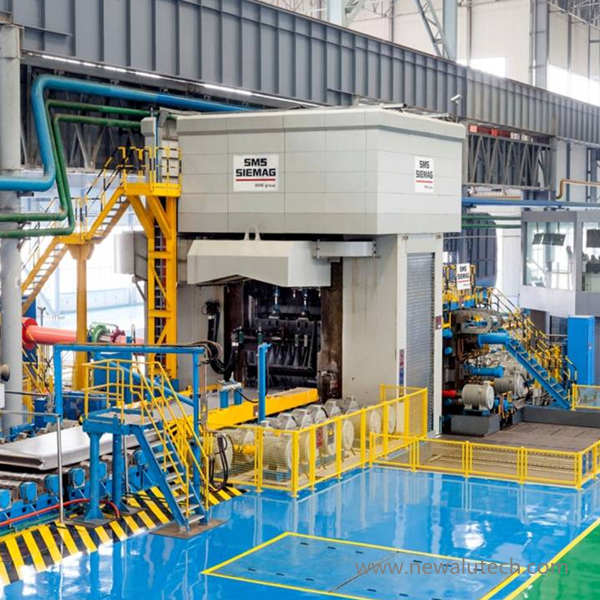
Famous Aluminum Sheet for Aerospace Applications factory
As a Famous Aluminum Sheet for Aerospace Applications factory, we leverage cutting-edge technology and a commitment to quality to meet the stringent demands of the aerospace sector. Our premier products include the 7005, 7075, and 7050 Aluminum Sheets, each engineered to deliver exceptional performance and reliability. With a focus on innovation and excellence, we bring world-class aluminum solutions to global markets, ensuring that our materials contribute significantly to the advancement of aerospace technologies.

The Frequent FAQs of 7 Series Aluminum Sheet
What are the environmental benefits of using aluminum in marine applications?▾
Our aluminum offers corrosion resistance, reducing maintenance and increasing vessel lifespan by up to 30%. Its recyclability exceeds 90%, and lightweight properties enhance fuel efficiency by approximately 20%, cutting greenhouse gas emissions significantly in marine applications.
What is the difference between anodized aluminum and regular aluminum?▾
Anodized aluminum is more durable and corrosion-resistant than regular aluminum due to its oxide layer, offering a 30% increase in hardness and longer lifespan, ideal for our high-performance and sustainable product applications.
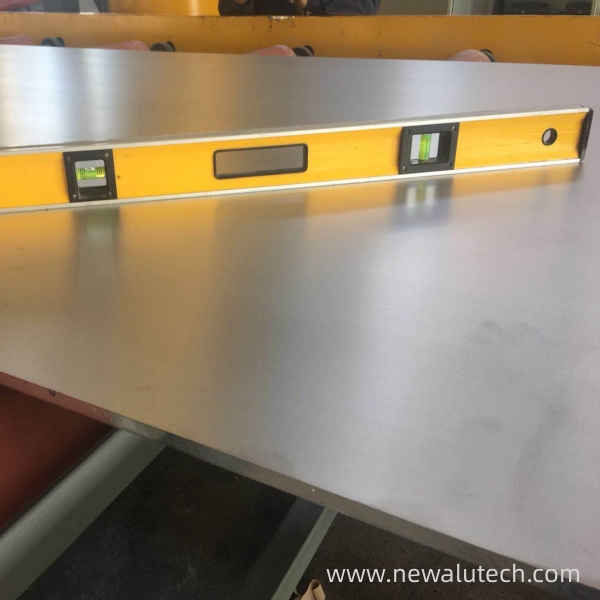
How do you ensure precision in aluminum sheet manufacturing?▾
We ensure precision by maintaining tolerance levels of ±0.005 inches, utilizing automated laser measurement systems, and conducting regular quality checks to meet stringent specifications in aluminum sheet thickness and width.
What are the common uses of aluminum sheets in the aerospace industry?▾
Aluminum sheets are utilized for lightweight structure, high corrosion resistance, and strength-to-weight ratio, typically with thicknesses of 0.5-10 mm. They are crucial in fuselage, wings, and internal components manufacturing.
Are there specific alloys recommended for architectural aluminum applications?▾
For architectural aluminum applications, consider 6061 and 6063 alloys. Both offer excellent corrosion resistance. 6061 has higher strength with a yield strength of 276 MPa, while 6063 offers superior formability, ideal for intricate designs.
 Privacy settings