 Email:newalu01@hotmail.com
 Whatsapp:0086 133 3603 9679
 Wechat:Newalutech

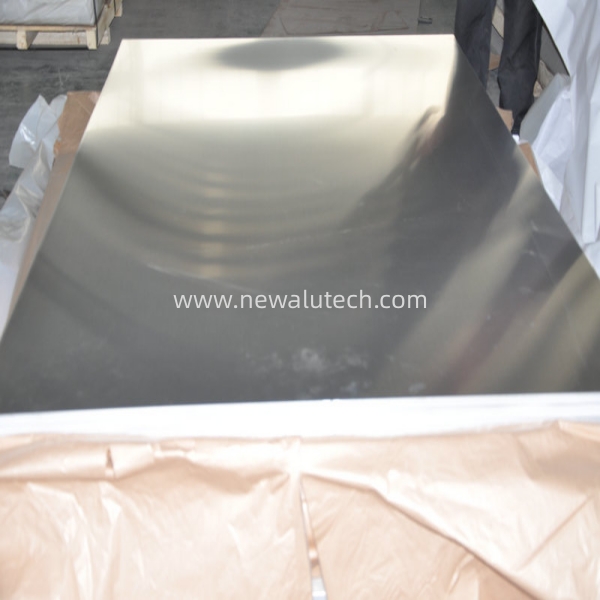
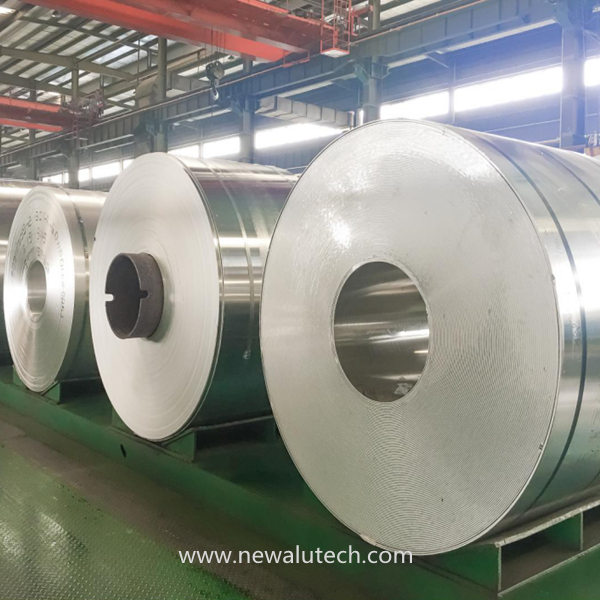
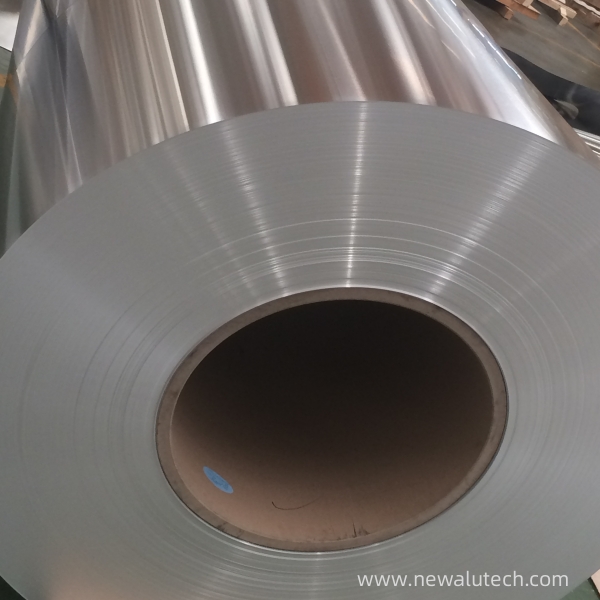
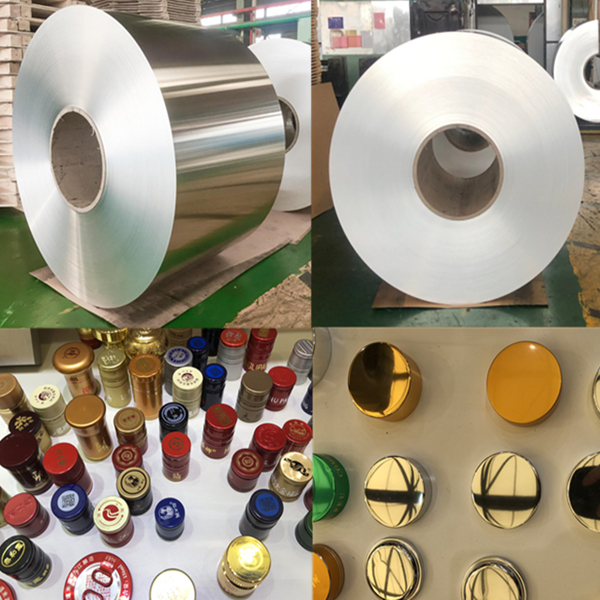
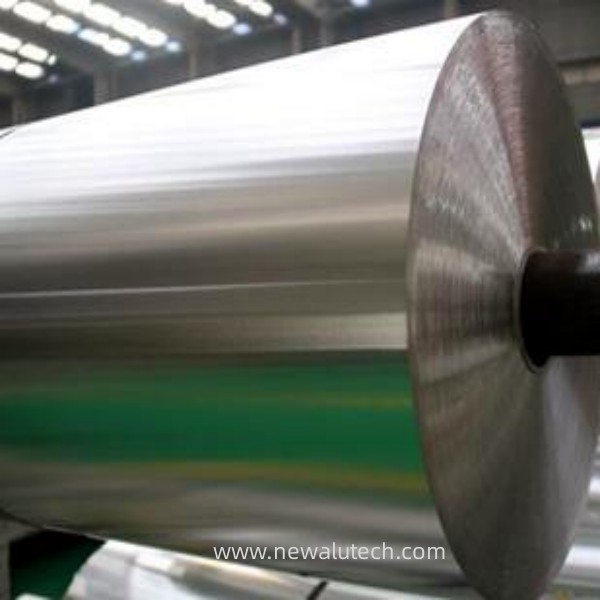
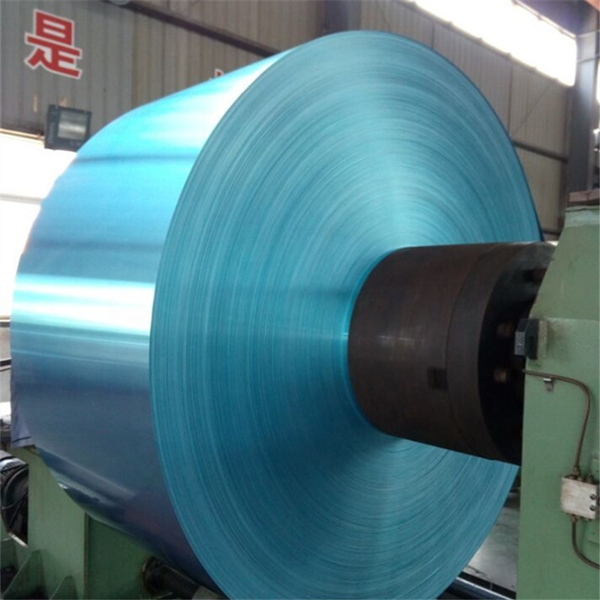
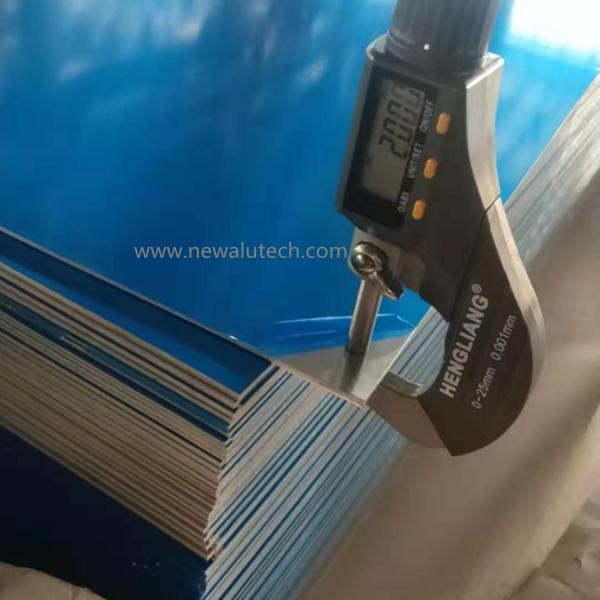
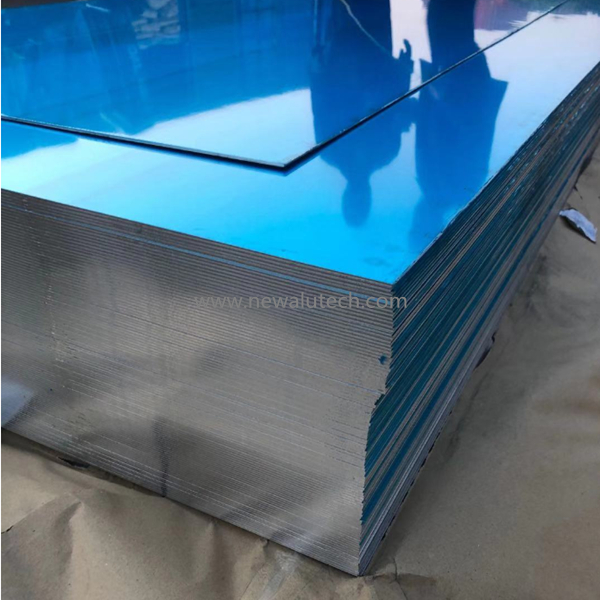
Famous Aluminium Sheet Roll manufacturer
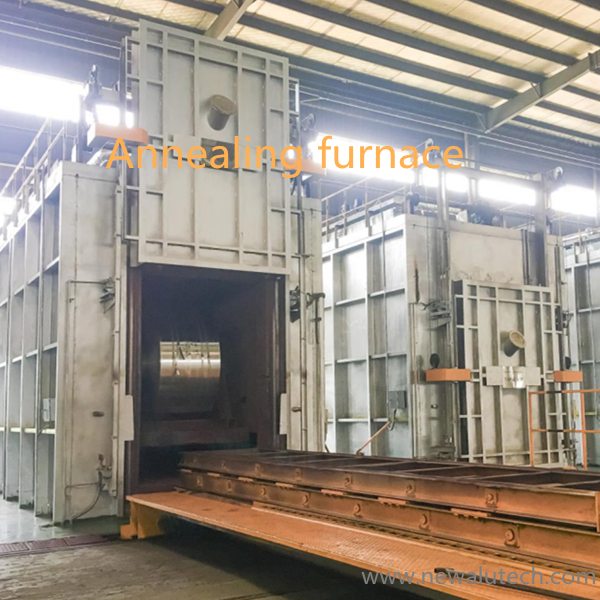
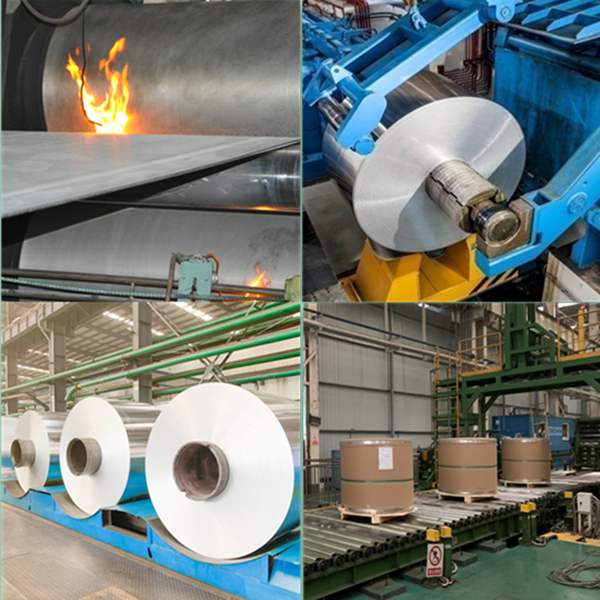
As a renowned leader in the aluminum industry, we take pride in being a Famous Aluminium Sheet Roll supplier, exporting premium quality products globally. Guided by market demand and a commitment to technological innovation, our Aluminium Sheet Rolls are crafted with precision, catering to diverse applications. Our extensive expertise ensures superior quality and adherence to international standards, positioning us as a trusted partner for clients worldwide. Experience excellence in every roll with our industry-leading offerings.

The Frequent FAQs of Products
How does the manufacturing process impact the flexibility of aluminum sheets?▾
Our manufacturing process impacts aluminum sheet flexibility through parameters like alloy composition (0.5-5% additives), rolling temperature (400-500°C), and thickness reduction percentage (30-70%), directly influencing malleability and tensile strength for versatile applications.
What are some innovations in aluminum sheet roll production?▾
Innovations include precision control, reducing thickness tolerances by 15%, and implementing AI for defect detection, improving quality by 10%. Enhanced recycling lowers energy consumption by 25%, promoting sustainability in aluminum sheet roll production.
How does temperature affect the performance of aluminum sheet metal?▾
Temperature affects aluminum sheet metal by altering its strength and malleability. At elevated temperatures, its tensile strength decreases by roughly 20% per 100°C increase, but ductility and malleability improve, enhancing forming processes.
How does the thickness of an aluminum sheet affect its applications?▾
Thicker aluminum sheets provide greater strength and durability, ideal for structural applications; thinner sheets offer flexibility and are suitable for lightweight designs. For example, 0.5mm sheets are used in electronics, while 3mm sheets suit construction.
How do aluminum sheet rolls compare to steel in terms of cost?▾
Aluminum sheet rolls from us typically cost less than steel, ranging $2,400-$2,600 per metric ton versus $700-$1,000 for steel. However, aluminum's lighter weight and corrosion resistance can offer long-term savings in specific applications.
 Privacy settings