 Email:newalu01@hotmail.com
 Whatsapp:0086 133 3603 9679
 Wechat:Newalutech

Introduction to Aluminum Sheet Metal Forming
Aluminum sheet metal forming is an essential process in the manufacturing industry, providing the flexibility and versatility needed for a wide range of applications. As a lightweight yet strong material, aluminum is favored for its excellent strength-to-weight ratio, making it ideal for numerous custom products. Understanding the process by which Aluminum Sheet Metal Rolls are formed into specific shapes is crucial for manufacturers and suppliers, particularly those who aim to deliver famous, high-quality products in competitive markets.
Understanding Aluminum Rolling Process
Rolling: A Core Metal-Forming Technique
Rolling is a fundamental metal-forming technique involving the passing of metal through rolls to flatten it to a uniform thickness. This process is akin to a baker using a rolling pin to flatten the dough. In aluminum manufacturing, rolling is classified into two main categories: hot rolling and cold rolling, each offering distinct outcomes and material properties.
Hot Rolling vs. Cold Rolling
Hot rolling occurs at a temperature above the recrystallization threshold of aluminum, facilitating ductility and reducing work hardening. Common alloys like 3003 are hot rolled between 260 to 510°C. Conversely, cold rolling takes place below the recrystallization temperature, enhancing metal strength and hardness, albeit with increased brittleness. Choosing between these techniques is crucial for suppliers to meet specific client needs and maintain production efficiency.
Pre-Treatment: Preparing Aluminum Slabs for Rolling
Initial Preparation of Aluminum Slabs
The rolling process begins with the preparation of aluminum slabs or billets. These must be cut and shaped into manageable forms ready for the rolling mills. Depending on the desired properties of the final product, the slabs may be pre-heated, impacting the rolling technique chosen by manufacturers.
Managing Slab Composition and Quality
The chemical composition and initial quality of aluminum slabs are critical in achieving specific mechanical and physical properties in the final rolled product. Suppliers often work closely with material scientists to ensure consistency and quality before rolling begins.
Roller Mill Dynamics: Achieving Desired Thickness
Stages of Roller Mills
Aluminum slabs undergo several stages of rolling, with each stage involving roller mills with progressively smaller gaps. The application of mechanical force from these mills reduces the slab thickness to meet specific industrial requirements.
Classifying Rolled Aluminum Products
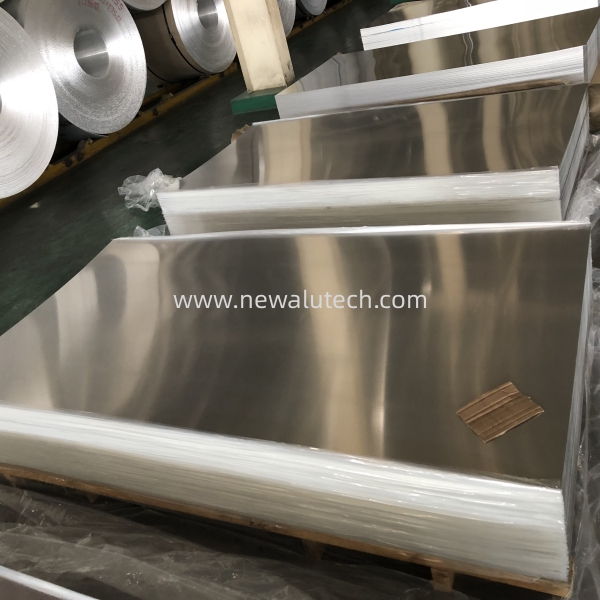
The Aluminum Association classifies rolled products into plates, sheets, and foils. Plates are above 0.25 inches thick, sheets range from 0.008 to 0.25 inches, and foils are thinner than 0.008 inches. Each category serves specific applications, from aircraft structures to packaging materials, consequently influencing supplier choices and customer offerings.
Techniques for Forming Aluminum into Specific Shapes
Roll Bending and Roll Forming
Beyond basic rolling, techniques like roll bending and roll forming are used for shaping aluminum into specific geometries. Roll bending produces cylindrical forms, while roll forming enables the creation of complex cross-sectional profiles. Mastery of these techniques is crucial for creating famous products that meet custom specifications.
Advanced Shaping Techniques
Additional techniques include stretch forming, where metal is bent while under tension, and deep drawing for creating deep, hollow shapes. These processes benefit suppliers by broadening the range of products they can offer to clients requiring custom solutions.
Advantages of Aluminum in Sheet Metal Applications
Strength-to-Weight Ratio and Durability
Aluminum's superior strength-to-weight ratio is unmatched, with certain alloys outperforming steel while being only a third as dense. This property is highly valued in industries such as aerospace and automotive, where efficiency and performance are paramount.
Corrosion Resistance and Cryo-Tolerance
Aluminum's natural oxide film affords it exceptional corrosion resistance, ideal for marine and outdoor applications. Furthermore, its cryo-tolerance ensures robust performance in cold environments, which is a significant consideration for suppliers reaching global markets.
Post-Rolling Processing and Treatments
Surface Treatments and Finishes
Post-rolling, aluminum sheets can undergo various chemical and mechanical surface treatments to enhance properties like appearance and corrosion resistance. Processes such as anodizing, painting, and PVDF coating can add significant value, creating famous products known for their durability and aesthetic appeal.
Mechanical Alterations and Extensions
Additional mechanical processes like stamping, cutting, and joining broaden the application spectrum of rolled aluminum. Suppliers often invest in these capabilities to meet diverse customer demands for custom solutions.
Applications of Formed Aluminum Sheets
Diverse Industry Applications
Aluminum sheets are critical across numerous industries, from automotive to construction. They are employed in manufacturing beverage cans, roofing materials, vehicle exteriors, and more. This versatility positions aluminum as a material of choice for suppliers catering to diverse market needs.
Sustainability and Recycling
As a highly recyclable material, aluminum offers environmental benefits and cost savings. Many suppliers emphasize aluminum’s low carbon footprint, appealing to environmentally conscious customers and enhancing brand reputation.
Quality Assurance in Aluminum Sheet Metal Forming
Ensuring Consistency and Precision
Quality assurance is vital in aluminum sheet metal forming, encompassing both the manufacturing process and the final product. Suppliers often implement strict quality control measures, leveraging advanced technologies to meet industry standards and customer expectations.
Addressing Challenges in Manufacturing
Challenges such as dimensional accuracy, surface finish quality, and defect management require constant attention. Implementing robust quality assurance processes helps suppliers build trust with customers and maintain their reputation for delivering famous, reliable products.
Future Trends in Aluminum Sheet Metal Industry
Technological Developments and Innovations
Advancements in rolling technology and automation are shaping the future of the aluminum industry. Innovations in digital tracking and smart manufacturing can optimize efficiency and reduce waste, offering suppliers competitive advantages.
Market Demand and Industry Growth
With an expected CAGR of 6.5% for flat-rolled aluminum products, suppliers have significant opportunities for growth. Companies must stay ahead by adapting to market demands, thus ensuring their position as leaders in the industry.
New Aluminum Provide Solutions
Suppliers must address the evolving needs of clients by offering custom aluminum sheet solutions. These include innovative design options, flexible manufacturing processes, and enhanced product durability. By focusing on customer satisfaction and maintaining high-quality standards, suppliers can cement their status in the industry and continue to deliver famous, preferred products. In a rapidly expanding market, proactive adaptation and an unwavering commitment to excellence ensure long-term success.
 Privacy settings