 Email:newalu01@hotmail.com
 Whatsapp:0086 133 3603 9679
 Wechat:Newalutech

Introduction to Aluminum Sheet Manufacturing
Aluminum sheets play a pivotal role in various industries due to their lightweight, corrosion resistance, and outstanding thermal and electrical conductivity. The process of manufacturing aluminum sheets is intricate and involves multiple stages, each critical to ensuring the final product meets stringent industry standards. In this article, we delve into the crucial processes involved in the creation of these sheets, highlighting the expertise required to transform raw bauxite into high-quality aluminum sheets.
Extraction of Bauxite
Mining Operations
The manufacturing process begins with the extraction of bauxite, the primary ore of aluminum. This sedimentary rock is rich in aluminum oxide and is found predominantly in tropical and subtropical regions. Methods such as open-pit mining and strip mining are employed to extract bauxite. These techniques involve removing the overburden, which consists of the soil and rock overlaying the bauxite deposits, ensuring that mining activities do not adversely impact the environment. Heavy machinery such as bulldozers and hydraulic excavators facilitate the extraction process, emphasizing the need for precision in operations.
Refining Bauxite to Alumina
The Bayer Process
Once extracted, bauxite undergoes the Bayer process to be refined into alumina, or aluminum oxide. This method involves dissolving bauxite in sodium hydroxide at high temperatures and pressures. The alumina then precipitates out of this solution, leaving impurities behind. The high level of precision and chemical knowledge required for this process is critical, as the purity of the alumina significantly affects the final aluminum sheet quality.
Electrolytic Reduction to Obtain Aluminum
The Hall-Héroult Process
The next phase is the electrolytic reduction of alumina to produce aluminum metal, a process known as the Hall-Héroult process. This involves dissolving alumina in molten cryolite and passing an electric current through the solution. The aluminum is deposited at the cathode, while oxygen is released at the anode, requiring an immense electrical energy input. This stage, performed in large-scale electrolytic cells lined with carbon, is crucial for separating pure aluminum from other elements.
Hot Rolling of Aluminum Sheets
Initial Sheet Formation
Post-electrolysis, the molten aluminum is cast into large blocks or ingots. Hot rolling is the primary method used to transform these ingots into thin, flat sheets. The metal is heated to approximately 500 degrees Celsius and passed through a series of rolling mills. This process not only reduces the thickness but also refines the grain structure of the aluminum, enhancing its mechanical properties. The precision of the rolling process ensures the uniformity and quality of the sheets, which are essential for high-performance applications.
Cold Rolling and Its Benefits
Enhancing Sheet Properties
Following hot rolling, aluminum sheets may undergo cold rolling to further improve their characteristics. Cold rolling involves passing the already hot-rolled sheets through rollers at room temperature, achieving precise thickness control and enhancing surface smoothness. The increased strength, ductility, and dimensional accuracy afforded by cold rolling make aluminum sheets suitable for applications that demand tight tolerances and uniformity, such as in aerospace and automotive manufacturing.
Diverse Aluminum Alloys for Sheet Production
Customization for Specific Needs
Aluminum sheets are manufactured using various aluminum alloys, which are blends of aluminum with other elements like copper, magnesium, and silicon. These alloys are formulated to enhance specific properties, such as strength, corrosion resistance, and machinability. Common series include the 1000 series (pure aluminum) and the 5000 series (aluminum-magnesium alloys), each tailored to meet the performance requirements of different industrial applications. Selecting the appropriate alloy is crucial for manufacturers aiming to produce sheets that meet exact specifications.
Surface Treatments for Enhanced Properties
Improving Durability and Aesthetics
To further enhance the properties of aluminum sheets, surface treatments such as anodizing, painting, and powder coating are employed. Anodizing, involving electrolytic oxidation, creates a protective oxide layer, increasing resistance to corrosion and wear. These treatments not only improve durability but also offer aesthetic finishes that are essential for consumer goods and architectural applications. Manufacturers and factories meticulously apply these treatments to meet specific industry standards and customer requirements.
Quality Control in Aluminum Sheet Manufacturing
Ensuring Standards and Specifications
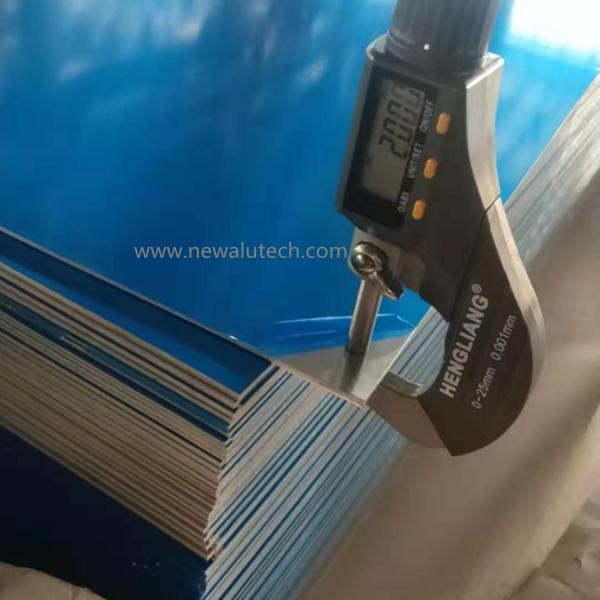
Stringent quality control measures are vital in manufacturing aluminum sheets to ensure they meet rigorous industry standards. Dimensional inspections check for precise thickness and uniformity, while mechanical testing evaluates properties such as tensile strength and elongation. Metallurgical analysis confirms the microstructure and chemical composition. These quality control processes underscore the commitment of famous manufacturers to providing high-performance solutions that maintain the integrity of the end-use application.
Applications of Aluminum Sheets Across Industries
Versatility and Utility
Aluminum sheets are invaluable in industrial applications where lightweight, corrosion-resistant materials are crucial. They find use in heat exchangers, HVAC systems, electrical enclosures, and structural components. Their excellent thermal and electrical conductivity makes them suitable for roles requiring efficient heat transfer and conductivity. Additionally, aluminum sheets are integral in fabrication jobs, laser cutting, and checkered plate production, catering to diverse industrial and consumer needs.
New Aluminum Provide Solutions
To address the evolving demands of various industries, new aluminum manufacturers are focusing on enhancing production techniques and developing innovative alloys. By leveraging advanced technologies and sustainable practices, these manufacturers are improving efficiency, reducing environmental impact, and creating aluminum sheets that meet the highest quality standards. As a result, they are providing solutions that not only cater to current needs but also pave the way for future advancements in aluminum applications.
 Privacy settings