 Email:newalu01@hotmail.com
 Whatsapp:0086 133 3603 9679
 Wechat:Newalutech

Aluminum Sheet Customization: An Overview
Aluminum sheet customization is a crucial aspect of modern manufacturing, providing tailored solutions to meet the specific needs of various industries. Due to their lightweight, durability, and resistance to corrosion, aluminum sheets are preferred in automotive, construction, and aerospace applications. Manufacturers, suppliers, and factories are increasingly investing in advanced technologies to offer custom solutions that enhance product performance and efficiency. This article delves into the different aspects of aluminum sheet customization and how these services benefit industries worldwide.
Benefits of Customizing Aluminum Sheets
Enhanced Performance and Efficiency
Customized aluminum sheets can significantly enhance the performance and efficiency of the final product. By tailoring thickness, alloy composition, and surface finishes to specific requirements, suppliers ensure optimal results for each application. Custom solutions reduce material waste and streamline manufacturing processes, leading to cost savings and improved operational efficiency.
Improved Aesthetic Appeal
Customization allows for improved aesthetic appeal, making aluminum sheets suitable for architectural purposes where visual appeal is paramount. Factories can provide a range of finishes, colors, and textures to match design specifications, enabling seamless integration with other materials used in construction projects.
Common Customization Options Available
Alloy Composition and Thickness
The choice of alloy and thickness is fundamental to aluminum sheet customization. Different alloys, such as 1100, 3003, 5052, and 6061, offer varying strength and corrosion resistance properties. Suppliers work closely with clients to select the appropriate alloy and thickness that meet specific mechanical requirements.
Surface Finishing Techniques
Surface finishing is another essential customization option. Techniques such as anodizing, powder coating, and painting not only enhance appearance but also increase durability and resistance to environmental factors. Factories often offer specialized coatings to protect against UV radiation, abrasion, or chemical exposure.
Technological Advances in Customization
Computer-Aided Design (CAD) and Manufacturing (CAM)
Advancements in CAD and CAM technologies have revolutionized aluminum sheet customization. These tools enable precise design and fabrication, allowing manufacturers to produce complex shapes and patterns with high accuracy. CAD/CAM systems streamline production, reduce lead times, and ensure consistency across large-scale orders.
Automation and Robotics
Automation and robotics play a significant role in modern customization processes. Automated systems increase production speed and improve precision, reducing the likelihood of human error. Factories utilize robotic arms for tasks such as cutting, bending, and welding, which enhances the quality and consistency of customized sheets.
Customization for Different Industry Applications
Automotive and Transportation
In the automotive industry, lightweight and durable components are essential for fuel efficiency and safety. Customized aluminum sheets are used in body panels, engine parts, and chassis components. Suppliers tailor these sheets to meet specific weight and strength requirements, improving vehicle performance.
Aerospace and Defense
Aerospace and defense applications demand high-strength and corrosion-resistant materials. Customized aluminum sheets meet these criteria, providing structural components for aircraft and defense equipment. Factories ensure that the sheets meet stringent industry standards for quality and performance.
Factors Influencing Customization Choices
Cost Considerations
Cost is a significant factor influencing customization choices. While customized options often come at a higher initial price, the long-term benefits such as reduced waste and improved efficiency can offset these costs. Manufacturers work with clients to balance customization benefits with budget constraints.
Regulatory and Compliance Requirements
Regulatory and compliance requirements are crucial considerations in the customization process. Industries such as aerospace and construction must adhere to strict guidelines to ensure safety and performance. Suppliers must customize aluminum sheets to meet these standards while maintaining cost-effectiveness.
Collaborating with Suppliers for Custom Solutions
Joint Development and Prototyping
Collaboration between clients and suppliers is key to successful customization. Joint development and prototyping allow for iterative testing and refinement of aluminum sheets before full-scale production. This collaborative approach ensures that the final product meets all specifications and performance criteria.
Transparent Communication and Feedback
Transparent communication and feedback throughout the customization process are essential. Suppliers must provide regular updates on progress and address any concerns promptly. This open dialogue ensures that any potential issues are resolved early, avoiding costly rework or delays.
Challenges in Aluminum Sheet Customization
Technical Limitations
Despite technological advances, technical limitations remain a challenge in aluminum sheet customization. Complex designs or extreme performance requirements may exceed current capabilities. Manufacturers continuously invest in research and development to overcome these obstacles and expand customization possibilities.
Supply Chain Complexity
Supply chain complexity can impact the customization process. Delays in raw material delivery or production bottlenecks can affect timelines. Factories must establish robust supply chain management practices to ensure timely delivery of customized sheets to clients.
Case Studies: Successful Customization Projects
Case Study 1: Automotive Lightweighting
An automotive manufacturer partnered with a supplier to develop lightweight body panels using customized aluminum sheets. By optimizing alloy composition and thickness, the project achieved a 20% weight reduction, enhancing fuel efficiency and performance.
Case Study 2: Architectural Facade Innovation
A construction company required a unique facade for a landmark building. The factory provided custom-sized aluminum sheets with a specialized anodized finish, creating a visually striking and durable exterior. The project showcased the transformative potential of aluminum sheet customization in architecture.
Future Trends in Aluminum Customization
Increased Sustainability Focus
Sustainability is becoming a core focus in aluminum sheet customization. Manufacturers are exploring eco-friendly alloys and processes to reduce environmental impact. Recycling and waste reduction strategies are integral to future customization practices.
Advances in Smart Materials and Technologies
Smart materials and technologies are poised to revolutionize the customization landscape. Innovations such as self-healing coatings and adaptive materials will enable the creation of more resilient and versatile aluminum sheets. Factories must stay at the forefront of these developments to offer cutting-edge solutions.
New Aluminum Provide Solutions
In today’s competitive landscape, suppliers, manufacturers, and factories must offer innovative solutions to meet diverse client needs. Customizing aluminum sheets allows businesses to deliver superior products tailored to their specific requirements. By leveraging advanced technologies and fostering collaborative partnerships, suppliers can enhance product quality, reduce costs, and achieve sustainable growth. Embracing customization will be a key driver of success in the evolving aluminum industry, enabling companies to offer unparalleled value to their clients.
User hot search: Aluminium Sheet Roll 0.5 Mm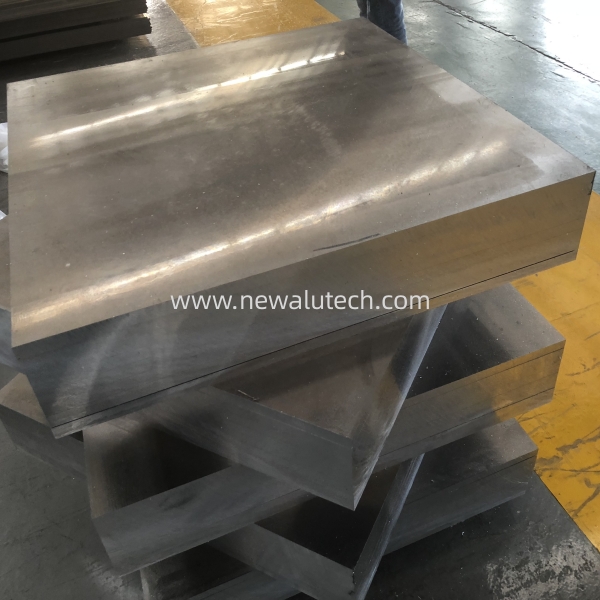
 Privacy settings